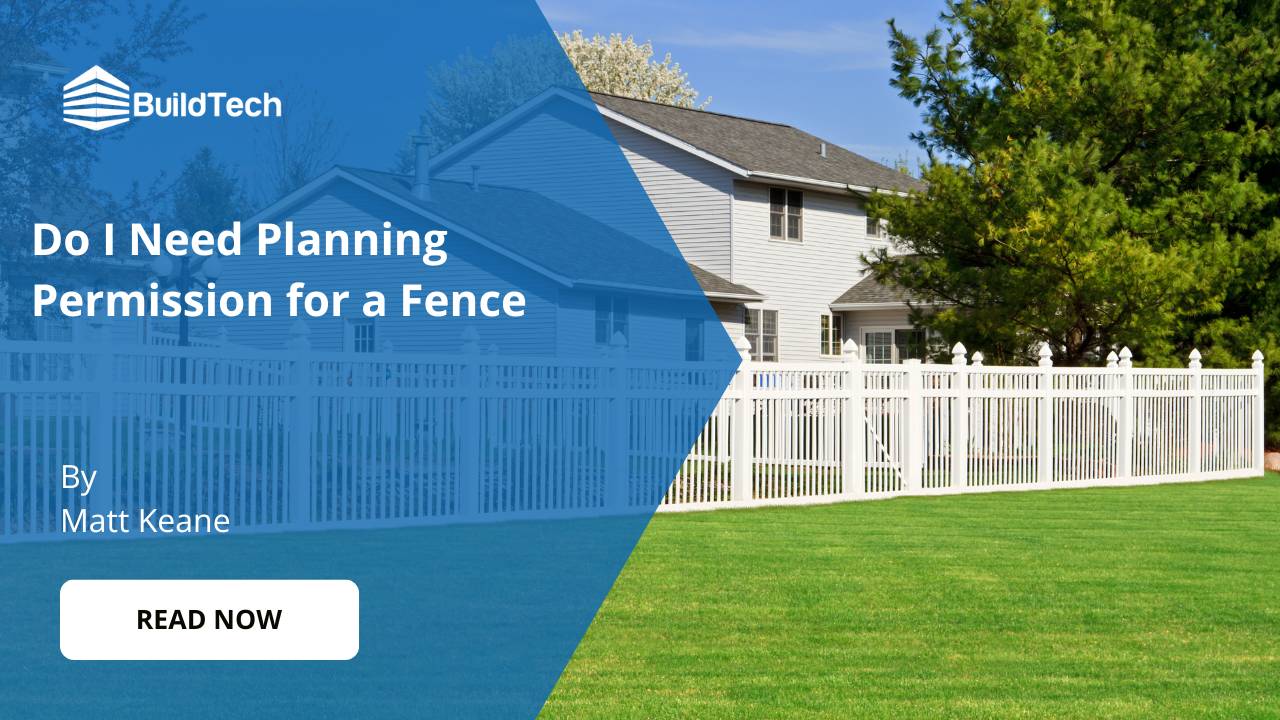
Thinking about putting up a fence around your property? Many homeowners wonder, "do I need planning permission for a fence?" The rules can vary depending on the height, location, and type of fence you want to build.
In most cases, you can build a fence without permission, but there are some important restrictions to be aware of. If your fence is too high or located at the front of your home, you may need approval from your local council. Ignoring these rules could lead to costly penalties or even being asked to remove your fence.
In this guide, you'll understand about do I need planning permission for a fence, the height limits, and how to apply if required.
Do I Need Planning Permission for a Fence?

A lot of Irish residents want to know, do I need planning permission for a fence? Building a fence may seem simple, but certain rules decide whether you need planning permission.
The main factors include the height of the fence and where you plan to place it. In some cases, local authorities may also have specific restrictions based on property type and location.
Front Garden Fence Restrictions
If you want to build a fence at the front of your property, the maximum height allowed is 1.2 metres.
Anything taller usually requires planning permission. This rule helps maintain clear visibility for pedestrians and drivers while keeping the street’s appearance uniform.
Side and Back Garden Fence Restrictions
For fences at the side or back of your property, the height limit is usually 2 metres. If your fence is within this limit, you won’t need permission.
However, if your home is near a public road or in a conservation area, you may need approval even for a standard-height fence.
What Are the Special Considerations for Fence Planning Permission?

While height and location are the main factors in deciding whether you need planning permission, other situations may also require approval.
Security fences, listed buildings, and shared boundaries each have their own rules that must be followed.
Security Fences
If you are installing a fence for security purposes, different height limits may apply. In some cases, fences with barbed wire, spikes, or electric features need special approval.
Local councils may also have restrictions on materials and design to ensure safety and prevent harm to others.
Listed Buildings and Conservation Areas
If your home is a listed building or located in a conservation area, planning rules are stricter. You may need permission even for a standard fence to ensure it matches the character of the area.
Some councils may also require the use of specific materials or styles to maintain the property’s original appearance.
Shared Boundaries
When building a fence along a shared boundary, it’s important to talk to your neighbour first. Disagreements can arise over ownership, height, or appearance.
If the fence is on your land, you don’t need their approval, but clear communication can prevent future conflicts. If a dispute occurs, checking property deeds or seeking legal advice may help.
What Happens If You Build a Fence Without Permission?
If you put up a fence without checking the planning rules, you could run into problems. Local authorities have the right to take action if your fence does not meet regulations.
In some cases, you may need to apply for permission after the fence is already built.
Consequences of Non-Compliance
If your fence is too high or placed in a restricted area without permission, the council may ask you to take it down or change its height.
Ignoring this request could lead to further action, including legal steps that may result in fines or court orders. It’s always better to check the rules first to avoid unnecessary costs and stress.
How to Apply for Planning Permission for a Fence?
If your fence does not meet the standard height limits or is in a restricted area, you may need to apply for planning permission.
The process involves submitting an application and waiting for approval from the local council. It’s important to know the steps involved, as well as how long it might take.
Steps Involved in the Application Process
First, check with your local council to confirm if permission is needed. If required, you’ll need to fill out an application form, provide details about the fence, and submit plans or drawings.
The council will review your request, consider any objections, and decide whether to approve or reject it. The process can take several weeks.
Estimated Timelines
Approval can take between eight and twelve weeks, depending on the complexity of the application and whether any objections are raised. If permission is denied, you may need to change your plans or appeal the decision.
To make the process easier, connect with us at BuildTech—we can help you get the permissions you need.
What Are the Alternatives to Avoid Planning Permission?
If you want to avoid the hassle of applying for planning permission, there are other ways to create privacy and security.
Adjusting the height of your fence or using natural options can help you stay within the legal limits.
Lowering the Fence Height
One simple solution is to keep your fence within the allowed height limits. A front garden fence should not exceed 1.2 metres, while a side or back garden fence should stay under 2 metres.
By following these rules, you can avoid the need for permission while still marking your property boundaries.
Using Hedges or Natural Barriers
If you want privacy without building a tall fence, consider planting hedges or bushes. Unlike fences, natural barriers usually don’t require permission and can provide both security and a decorative look.
However, it’s important to keep them trimmed to avoid blocking pathways or creating disputes with neighbours.
Conclusion
Building a fence is a great way to improve privacy and security, but it’s important to follow planning rules. In most cases, fences up to 1.2 meters at the front and 2 meters at the side or back do not need permission. However, listed buildings, conservation areas, and security fences may require approval. Ignoring these rules can lead to costly changes or removals.
BuildTech can not only assist with planning permission but also design and build the perfect fence for your property. Get in touch today for expert advice and quality fence installation.
Frequently Asked Questions
Do I need planning permission for a fence?
In most cases, you don’t need permission if the fence is under 1.2 meters at the front or 2 meters at the side or back. However, listed buildings, conservation areas, and security fences may require approval.
What happens if I build a fence without permission?
If your fence exceeds the height limits or is in a restricted area without approval, the council may ask you to remove or modify it. Ignoring this can lead to further action, including fines.
How do I apply for planning permission for a fence?
You’ll need to submit an application to your local council, including fence details and plans. The process can take eight to twelve weeks, and objections from neighbours may affect approval.
Can I put up a fence on a shared boundary?
If the fence is on your property, you don’t need permission from your neighbour. However, clear communication is advised to prevent conflict, especially for shared boundaries.
Are there alternatives to avoid planning permission?
Yes, you can lower the fence height to meet the legal limits or use hedges or natural barriers instead. Hedges usually don’t require permission but should be maintained to avoid disputes.
Where can I get help with planning permission?
If you're unsure about the rules or need assistance with approvals, BuildTech can help. Get in touch for expert advise and hassle-free permission for your fence project.
