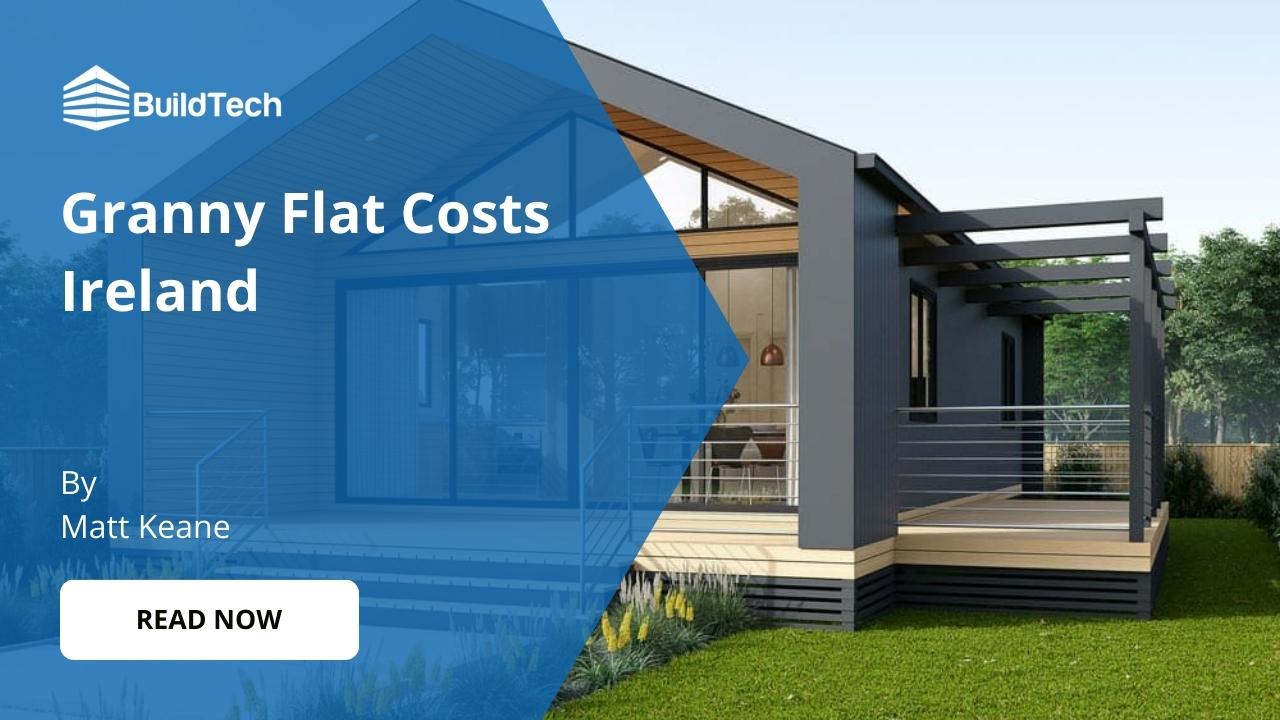
Granny flats are becoming more popular in Ireland as people look for extra space for family members or even rental income. These self-contained units are a great solution for those who want to expand their living space without moving to a new home.
Whether you're considering a small studio or a larger two-bedroom unit, the cost of building a granny flat can vary depending on several factors, such as size, design, and materials.
In this blog, we’ll break down the key factors that influence the cost of building a granny flat in Ireland and, in addition, provide you with useful tips to help you make the best decision for your needs.
Factors Influencing Granny Flat Costs in Ireland
When planning to build a granny flat, there are many factors that can affect the overall cost. Understanding these factors can help you make better decisions as you move forward with your project.
Size and Design
The size and design of your granny flat play a huge role in shaping the final cost. Larger granny flats need more materials and take more time to build, while a complex design may require extra work.
As you plan, think about how much space you need and how simple or detailed you want the design to be.
Materials Used
The choice of materials also has a big impact on how your granny flat is built. High-quality materials can make your granny flat last longer and perform better, but they can also increase the cost.
On the other hand, more affordable materials might help keep the overall price down while still being effective for your needs.
Labour Costs
Labour is another factor that affects the overall cost of your granny flat. Different builders charge different rates depending on their expertise and location.
As you consider your options, it’s important to balance the skills and reputation of the builder with the price they offer for the work.
Location
Where you build your granny flat can also influence the overall price. In some areas, labour and materials may be more expensive.
Plus, building in rural areas could present challenges such as transportation of materials or availability of skilled workers, which can add to the time and cost.
Planning and Permits
Before you start building, you need to get the proper permits and follow local regulations.
Planning permission might take time to secure, and the process may involve fees or extra steps that affect your timeline. Staying on top of these requirements can help avoid delays once the build starts.
Utilities and Infrastructure
Lastly, don’t forget about the utilities and infrastructure that your granny flat will need. Connecting to electricity, water, and internet is crucial, and each of these services might require additional setup and work.
Preparing for this ahead of time can help ensure that your new space is fully functional when it’s completed.
What is the Average Cost of Granny Flat in Ireland?
Now that we’ve covered the factors that influence the cost, let's explore what you can generally expect to pay for different types of granny flats. The prices can vary based on the size and type of unit you choose, along with the features included.
Home or Office Studio (25 m²)
For those looking for a smaller space, a studio granny flat might be the perfect option. With an external size of 25 square metres and an internal floor space of 19 square metres, this unit is ideal for use as an office or a simple studio. It offers a great balance between space and functionality, starting from €65,000 plus VAT
1-Bedroom Apartment (35 m²)
If you need more room, a 1-bedroom apartment could be the right choice. With 35 square metres of external space, this option is perfect for personal use or as a rental property.
It includes a fitted kitchen, bathroom, and flooring, giving you a ready-to-furnish home from €82,000 plus VAT. This option is popular for its practical size and convenience.
Most Popular Build (40 m²)
The most popular option is the 40 square metre granny flat, which can be built as a spacious 1-bedroom apartment or a compact 2-bedroom unit.
This layout provides comfort and flexibility, making it perfect for living or hosting a family member. Starting from €95,000 plus VAT, this option is well-suited for long-term use, offering plenty of room to meet your needs.
Hidden Costs to Consider
While the main costs of building a granny flat are clear, there are also some hidden costs that can come up during the process. These additional expenses may not be obvious at first, but they are important to keep in mind to avoid surprises later.
Planning Permission Fees
Before building your granny flat, you will likely need to secure planning permission. This process can come with fees, depending on your location and the specific regulations in place. It’s important to budget for these fees early on, so you don’t face any unexpected delays or added costs.
Site Preparation
Preparing the site for your granny flat can also bring extra costs. If the land needs clearing or levelling, or if any demolition is required, this will add to your expenses. It’s a good idea to check what kind of preparation is needed before construction begins, as it can affect your overall budget.
Utility Connection Fees
Connecting your new granny flat to utilities like water, electricity, and internet will also come with additional costs. These services are essential, and each one may require separate setup fees. Planning ahead for these connections ensures that your granny flat will be fully functional as soon as it's ready.
Cost-Saving Tips for Building a Granny Flat
If you're concerned about keeping costs low, there are several ways to reduce the expenses of building a granny flat. By making smart choices during the planning process, you can save money while still achieving a high-quality result.
Consider Modular Designs
One effective way to save on costs is by choosing a modular design. These pre-built units are often more affordable than custom-built options, as they require less time and labour to construct. Modular designs can be just as functional and stylish, offering a quicker and more budget-friendly solution.
Keep the Design Simple
Another tip is to keep the design simple and straightforward. Complex designs with extra features can quickly increase your costs. By sticking to a basic layout that meets your needs, you can avoid unnecessary expenses while still creating a comfortable space.
Source Local Materials
Sourcing materials locally can also help cut costs. Local materials are often less expensive, as they don’t require long-distance shipping. Additionally, using local suppliers supports businesses in your community and can lead to quicker delivery times.
Conclusion
Building a granny flat in Ireland involves several key factors, including size, materials, and location. Understanding these elements, along with hidden costs like planning fees and utility connections, can help you plan your project more effectively.
Additionally, exploring grants or incentives may reduce your overall expenses. Whether you're opting for a studio or a larger build, careful planning is essential.
For expert advice and help managing the costs, BuildTech is here to assist you in every step of your granny flat project. Reach out to BuildTech today for a personalised solution that meets your needs.
Frequently Asked Questions
Do I need planning permission to build a granny flat in Ireland?
Planning permission is typically required for stand-alone granny flats, but if the unit is an extension of your home and under 40 square metres, you might not need one. Always check with your local authority for confirmation.
How long does it take to build a granny flat in Ireland?
The average time for building a granny flat ranges from 10 to 16 weeks, depending on the design complexity and approval processes. This includes planning, design, and construction phases.
What materials are commonly used for granny flats in Ireland?
Granny flats are usually constructed using block or timber frames. Prefabricated and modular designs are also gaining popularity for their quick installation and energy efficiency.
Can I rent out my granny flat in Ireland?
Yes, granny flats can be rented out, providing a good source of income. Make sure it complies with local regulations, and register with the Residential Tenancies Board (RTB) if renting out.
What factors affect the cost of building a granny flat?
The cost varies based on the size, design, materials, and any necessary planning permissions. Other factors include utilities, site preparation, and any custom features.
How much space do I need to build a granny flat?
The space needed depends on the size and layout you choose. A small granny flat can fit on plots of around 25 square metres, but larger units require more room. Consult with your builder to assess your available space.
