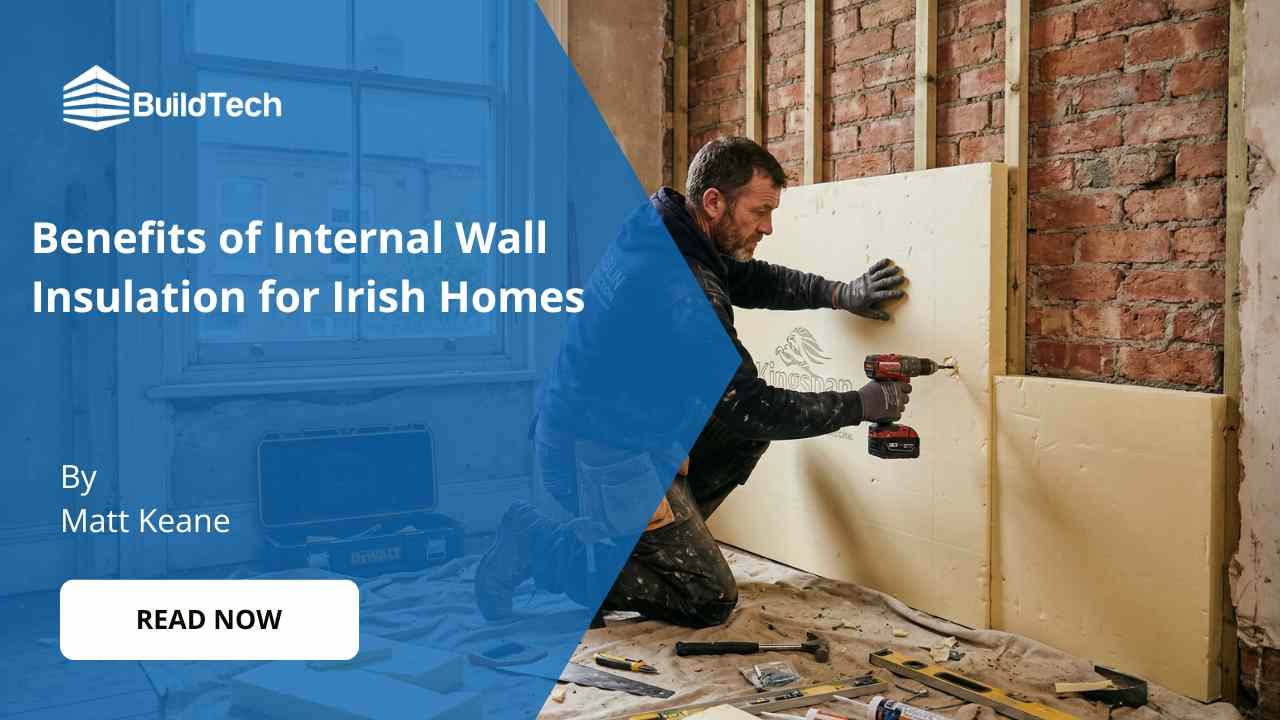
Solid-wall homes make up a huge chunk of Ireland's housing stock. If your house was built before the 1970s, there's a strong chance it has no cavity at all, which means standard cavity fill simply isn't an option. That's where internal wall insulation (often called drylining) comes in.
Internal wall insulation works by fixing rigid insulation boards to the inside face of your external walls, then finishing with plasterboard. It reduces heat loss, cuts energy bills and makes rooms noticeably warmer without touching the outside of the building. For older Irish homes with solid stone or block walls, it's one of the most practical upgrades you can make.
SEAI grants for wall insulation go up to €8,000 depending on the type and your property, so the upfront cost is more manageable than many homeowners expect. Below, we'll walk through how drylining works, what benefits it brings, who it suits best and how to get started.
Why Do So Many Irish Homes Lose Heat Through Walls?
Walls account for roughly a third of heat loss in a typical Irish home. In properties built before the 1930s, you're usually looking at solid stone or brick walls with zero insulation. Even homes from the 1950s to 1970s often have single-leaf block walls that let heat escape quickly.
If you've ever noticed that one room is always colder than the rest, or that a wall feels damp to the touch in winter, poor wall insulation is often the culprit. You might be turning the heating up higher just to compensate, and that's money going straight out through the walls.
Because external insulation changes the look of a building (and may not suit terraced streetscapes or conservation areas), internal wall insulation is frequently the better fit. It's particularly common in Dublin's older terraced and semi-detached homes where external cladding isn't practical or isn't permitted.

How Does Internal Wall Insulation Actually Work?
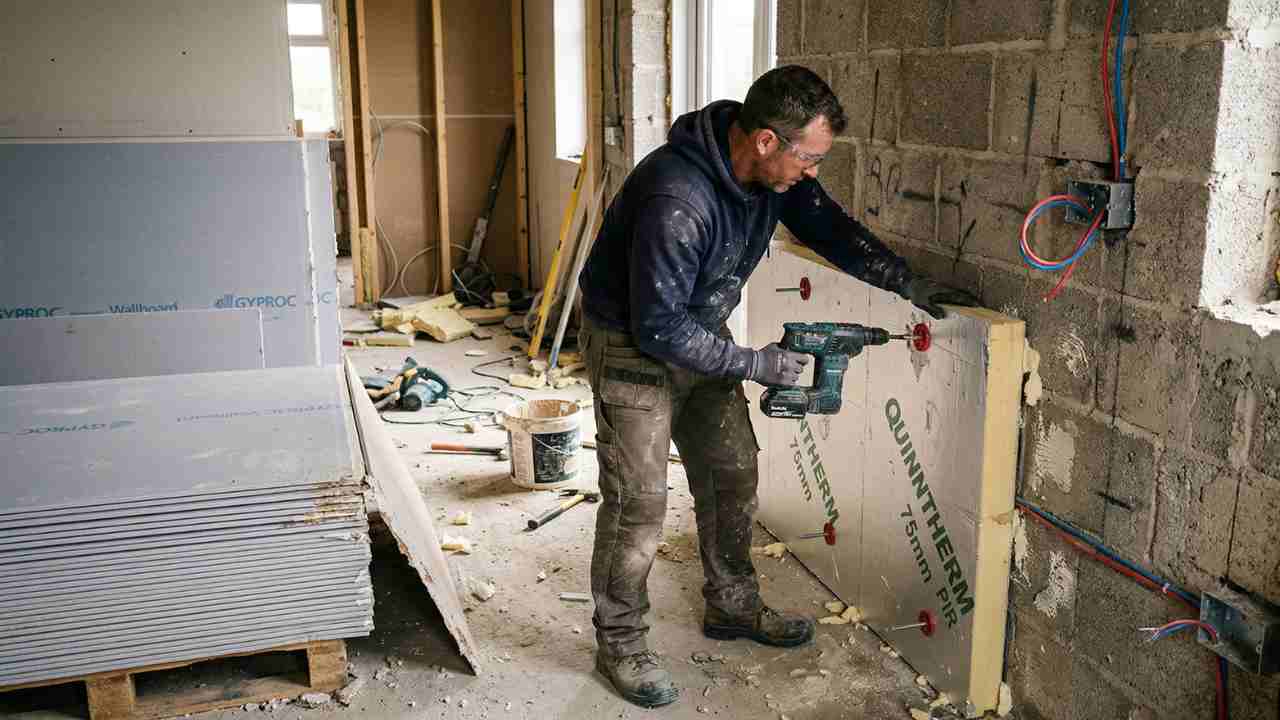
Drylining involves fixing rigid insulation boards (usually PIR, phenolic or EPS) directly onto the inside face of your external walls. A layer of plasterboard goes over the top, and the whole thing is skimmed and painted to give a clean, finished look.
The insulation boards typically range from 50mm to 100mm thick, depending on the U-value targets your home needs to hit under Irish Building Regulations. A vapour control layer is included to manage moisture and prevent condensation building up between the insulation and the original wall.
Rooms That Benefit Most
Not every room needs to be done at once. North-facing bedrooms and living rooms with large expanses of external wall tend to benefit most. Kitchens and bathrooms that sit against an outside wall also see big improvements. Your SEAI-registered contractor can help you prioritise based on where the heat loss is worst.
What Are the Main Benefits of Internal Wall Insulation?
There are several practical reasons why drylining is popular with Irish homeowners. Here's what you can expect.
- Lower energy bills. Less heat escaping through the walls means your boiler or heat pump doesn't have to work as hard. Many homeowners report noticeable savings within the first winter after installation.
- Warmer, more comfortable rooms. Cold spots and draughts along external walls are reduced significantly. Rooms feel warmer at lower thermostat settings.
- Better BER rating. Improving your Building Energy Rating makes your home more attractive to buyers or renters and can increase property value. Internal wall insulation can shift a home up by one or two BER bands.
- Reduced condensation and damp risk. When walls stay warmer on the inside, surface condensation drops, which helps prevent mould growth.
- No change to exterior appearance. Unlike external insulation, drylining doesn't alter the look of the building from outside. That's a big plus if you live in a terraced street, a conservation area or simply prefer the existing finish.
- Fire safety. Plasterboard is naturally fire-resistant, adding an extra layer of passive fire protection to your walls.
If you're planning a broader energy upgrade or deep retrofit, internal wall insulation pairs well with attic insulation and heating system upgrades to deliver the biggest overall improvement in comfort and efficiency.

SEAI Grants for Internal Wall Insulation
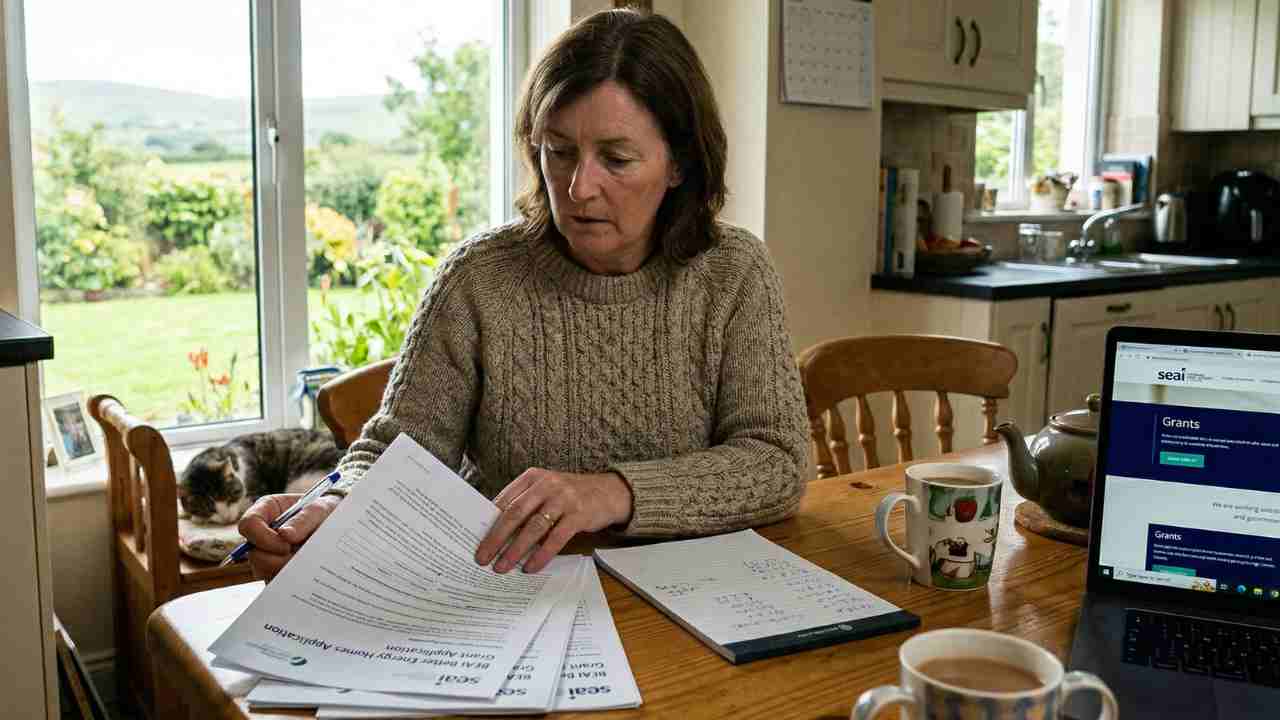
The Sustainable Energy Authority of Ireland (SEAI) offers grants for internal wall insulation under the Better Energy Homes scheme. The maximum grant for wall insulation is €8,000, with the exact amount depending on your dwelling type and the insulation method chosen.
From March 2026, homeowners who previously received a grant for cavity or internal wall insulation can now apply for a second wall insulation measure. That's a significant change, as it means you can layer up your wall insulation over time to make your home heat-pump ready.
To qualify, your home must have been built and occupied before 2011, and all work must be carried out by an SEAI-registered contractor. You need grant approval in place before the work starts. BuildTech is SEAI-registered and can guide you through the grant application process as part of the project.
Government-backed Home Energy Upgrade Loans are also available from 2.99% to cover any balance not covered by the grant, so the financial barrier is lower than you might think.
Is Internal Wall Insulation Right for Your Home?
Drylining suits most solid-wall homes, but it's not always the only option. If your walls have a cavity, cavity fill is usually cheaper and less disruptive. If you're happy to change the outside appearance, external insulation gives better overall performance because it wraps the building in a continuous thermal layer.
Internal wall insulation is the strongest choice when external work isn't possible (terraced houses, heritage buildings, shared boundaries) or when you want to insulate room by room. Bear in mind that it does reduce room dimensions slightly (typically 60mm to 100mm per wall), so smaller rooms will feel the loss of space a bit more.
A proper assessment before you commit is worth its weight in gold. Your contractor should check the existing wall construction, look for any damp issues that need fixing first and recommend the right insulation thickness for your property. Getting this right from the start avoids problems down the line.
Ready to Make Your Walls Work Harder?
Internal wall insulation is one of the smartest upgrades you can make to an older Irish home. It keeps heat where it belongs, takes the edge off energy bills and makes daily living more comfortable from the first cold snap onwards. With SEAI grants covering a significant portion of the cost, there's never been a better time to get it done.
BuildTech is an SEAI-registered contractor with experience across drylining, external insulation and full deep retrofits. Get in touch for a free consultation and find out exactly what your home needs. Call 0818 333 443 or fill out the enquiry form at buildtech.ie.
Frequently Asked Questions
What is internal wall insulation?
Internal wall insulation (drylining) involves fixing rigid insulation boards to the inside face of your external walls, then covering them with plasterboard. It's designed to reduce heat loss through solid walls that don't have a cavity.
How much does internal wall insulation cost in Ireland?
Costs vary depending on the size of the property and the number of walls being insulated. SEAI grants for wall insulation go up to €8,000, which significantly reduces the out-of-pocket expense for most homeowners.
Will internal wall insulation reduce the size of my rooms?
Yes, slightly. You'll typically lose 60mm to 100mm per insulated wall, depending on the board thickness. In most rooms, this is barely noticeable, but it's worth considering in smaller spaces.
Do I need planning permission for internal wall insulation?
No. Drylining is an internal alteration and does not require planning permission in Ireland. However, the work must comply with Irish Building Regulations, particularly around thermal performance and moisture management.
Can I get an SEAI grant for drylining insulation?
Yes. SEAI offers grants for internal wall insulation under the Better Energy Homes scheme. Your home must have been built before 2011, and you need to use an SEAI-registered contractor. Grant approval must be in place before work begins.
Is internal wall insulation better than external insulation?
Each has pros and cons. External insulation gives better continuous coverage, but internal insulation is ideal when you can't alter the building's exterior. Many homeowners in terraced or conservation-area homes choose drylining for this reason.
