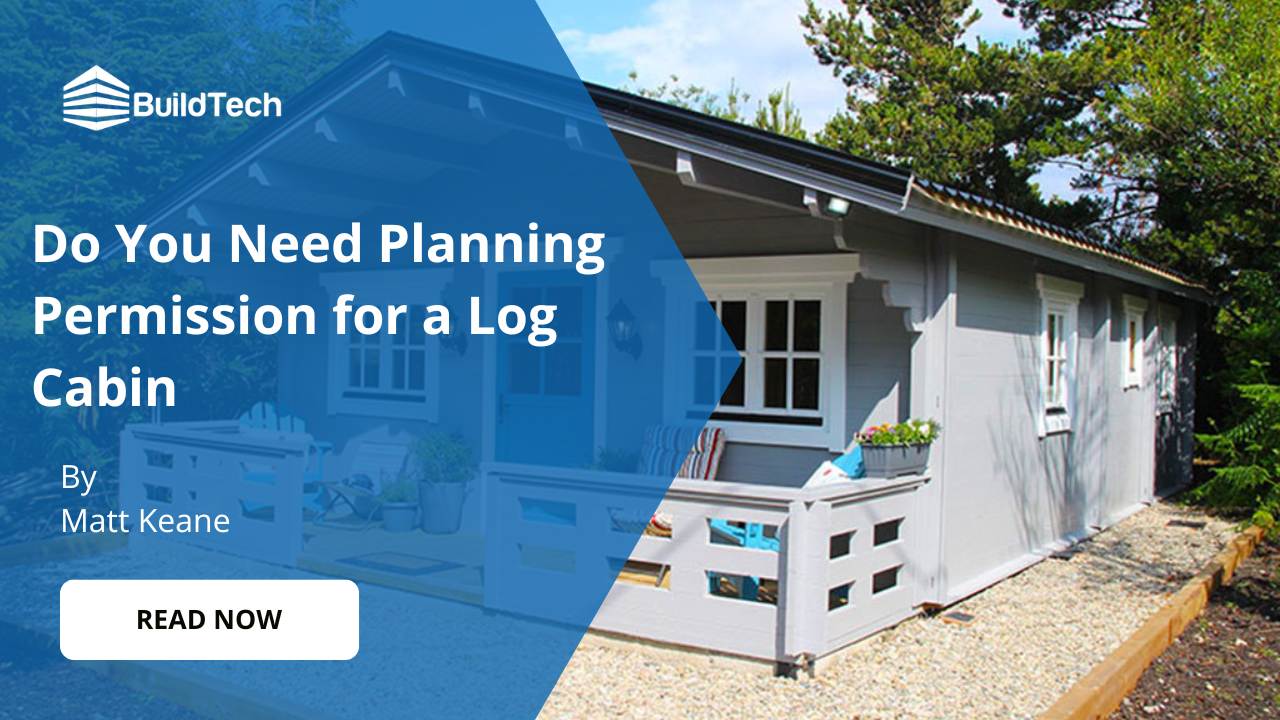
In many situations, log cabins and similar structures are classified as exempt developments, which means they don’t need planning permission as long as they meet certain conditions. These conditions often involve the cabin’s size, its placement on the property, and its intended purpose.
For instance, if a log cabin is built within the boundary of a house, planning permission is generally not needed if it has a floor area of less than 25 square meters and does not reduce the backyard’s open space to below 25 square meters.
Additionally, the cabin should not be used as a main living space unless it supports the main house in some way, such as serving as a home office or gym.
So, in this blog, we will explore when planning permission is required for log cabins.
When Planning Permission is Required for Log Cabins?
Planning permission may be needed for your log cabin, depending on factors such as its purpose, size, and location.
Below, we’ll look at specific situations where planning permission becomes essential for compliance.
Exceeding Size Limits
If your log cabin exceeds the general size limit for exempt development—typically 25 square meters—planning permission is required.
Larger cabins may impact surrounding spaces, so regulations ensure that the structure doesn’t affect neighbours or nearby views.
Intended for Living Accommodation
When a log cabin is designed as a living space with areas like bedrooms or bathrooms, it no longer qualifies as an exempt development.
Planning permission becomes necessary to meet safety and quality standards for residential use, ensuring that the cabin provides a suitable and comfortable environment for occupants.
Location in a Sensitive Area
Cabins placed in areas of conservation, beauty, or specific historical importance often need permission.
Sensitive locations have strict rules to preserve natural beauty and local character. So, if your property falls within such an area, planning approval will likely be necessary to ensure the structure harmonises with its surroundings.
Planning Standards for Habitable Log Cabins
For a log cabin that you plan to use as a living space, specific planning standards ensure it meets quality, safety, and community guidelines.
Let’s explore the main areas you should consider when planning a habitable log cabin.
Location and Site Considerations
The placement of a log cabin must align with local planning requirements. This means considering how close it is to nearby homes, the surrounding landscape, and any local zoning rules.
The cabin should respect neighbours’ privacy, maintain natural views, and fit well within the character of the area.
Size and Height Restrictions
Log cabins used as living spaces have size and height rules to ensure they don’t overwhelm the property or neighbourhood.
The cabin should complement rather than dominate the surroundings, making sure it looks in proportion with other nearby buildings and the natural environment.
Design and Appearance
The look and materials of a habitable log cabin should blend with the area’s character.
Using colours, styles, and materials that match local buildings helps maintain a consistent look. Good design adds value to the cabin and keeps it attractive while respecting the broader landscape.
Access and Parking
A habitable log cabin needs easy pathways and suitable parking spaces. This ensures it’s convenient to reach without affecting local traffic or parking for neighbours.
Having enough space for parking and safe entry is important for maintaining peace within the area and reducing any issues.
Sustainability and Environmental Impact
A cabin designed with eco-friendly materials and energy-saving features supports environmental goals. Thoughtful planning can reduce the cabin’s carbon footprint, making it more sustainable.
Choosing materials wisely, adding insulation, and respecting local plant and animal life will make a positive difference.
Construction Guidelines for Residential Log Cabins
In Ireland, building regulations set the minimum standards for any new construction to ensure it’s safe, comfortable, and energy-efficient.
These rules cover important areas like structure, fire safety, and accessibility, which are especially important for cabins used as living spaces.
Structure Requirements
The structure of a residential log cabin must be strong and stable to handle weight and weather.
This includes making sure the foundation is solid, the walls are secure, and the roof can handle wind and rain. Following these requirements ensures the cabin is safe and long-lasting.
Fire Safety
Fire safety is crucial for residential log cabins. This involves using materials that resist fire, planning escape routes, and installing smoke alarms.
Meeting fire safety guidelines protects those inside and reduces the risk of serious damage in case of an emergency.
Sound Insulation
Sound insulation helps keep noise levels comfortable within the cabin and between rooms. This makes the space more private and peaceful, which is important for residential use.
Sound insulation standards ensure that daily activities inside the cabin are quiet and do not disturb neighbours.
Ventilation
Good ventilation is essential to keep the air fresh and prevent dampness inside the cabin.
Ventilation guidelines help maintain healthy air quality, reduce the risk of moisture buildup, and keep the space comfortable throughout the seasons.
Energy Efficiency
Energy efficiency standards help keep the cabin warm in winter and cool in summer, using less energy. Insulation, windows, and heating systems all contribute to a cosy and eco-friendly space.
By meeting these standards, the cabin stays comfortable and reduces energy bills.
Accessibility
Accessibility standards ensure that people of all abilities can enter and move around the cabin with ease. This includes having wide doorways, clear pathways, and accessible facilities.
Meeting these guidelines makes the cabin welcoming for everyone, regardless of physical ability.
Role of Technical Guidance Documents (TGDs)
Technical Guidance Documents provide clear steps to help builders meet building regulations.
Although not required, following TGDs is an effective way to ensure that the cabin meets all necessary safety and comfort standards, making the building process smoother and more reliable.
Applying Building Regulations & TGDs to Residential Log Cabins
To fully meet building regulations, it’s important to follow these guidelines from start to finish. This involves careful planning, using suitable materials, and working closely with professionals who know the regulations well.
Proper documentation also ensures that the cabin’s construction is both safe and lawful.
Conclusion
Adding a log cabin to your property can be a great way to expand your living space, but understanding planning permission is essential. If your cabin fits within size limits, isn’t used as a primary residence, and respects local guidelines, it may be exempt from planning permission. However, for larger or habitable cabins, you’ll need to follow specific regulations.
For customised service and expert help with planning and construction, reach out to Buildtech. Our team makes sure your project aligns with all requirements, saving you time and hassle. Contact Buildtech today for a smooth start to your log cabin project!
Frequently Asked Questions
Do you need planning permission for a log cabin in your garden?
Generally, you won’t need planning permission for a log cabin in your garden if it’s under 25 square metres, doesn’t reduce open space below 25 square metres, and is used as an office or gym rather than living space.
Can I live in a log cabin without planning permission?
No, if you plan to live in a log cabin as a main residence, planning permission is required. Exemptions usually only apply if the cabin is used as a secondary space, like a home office.
What size log cabin can you have without planning permission?
In many areas, you can have a log cabin up to 25 square metres without planning permission, as long as it meets other requirements, such as maintaining enough open space on the property.
Do log cabins add value to a property?
Yes, log cabins can increase property value, especially when they are well-designed and used as functional spaces like offices or guest rooms. Planning permission may be required for larger, habitable cabins to maximise value.
Are there specific building regulations for log cabins in Ireland?
Yes, if your log cabin is intended for residential use, it must meet building regulations, covering aspects like structure, fire safety, insulation, and ventilation, to ensure safe and comfortable living.
Can I put a log cabin in a conservation area without planning permission?
No, properties in conservation areas generally require planning permission for new structures, including log cabins, to ensure they blend with the environment and follow local preservation guidelines.
