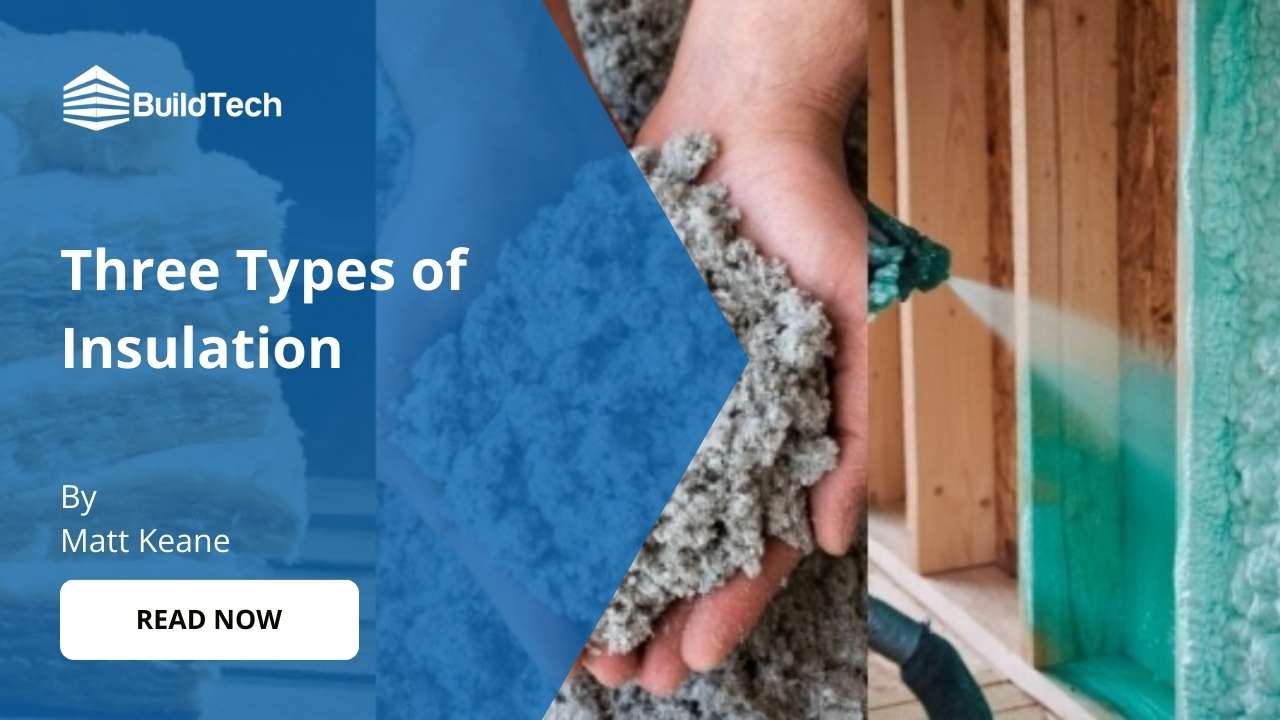
Ever thought about why some homes are cosy in the winter and cool in the summer while others aren't? Well, a big part of that comfort comes from insulation. Insulation is like a protective blanket around your house, keeping the heat in when it's cold outside and out when it's hot.
In this blog, we're going to talk about three popular types of insulation. Each one has its own unique way of making your home more comfortable and energy-efficient. So, whether you're building a new house, renovating an old one, or just curious, let's dive in and explore the three most important types of insulation!
Foam Insulation
Foam insulation is a modern and effective solution for insulating homes and buildings. It's applied as a liquid that quickly expands and hardens, forming a dense, insulative layer.
This type of insulation is particularly known for its ability to fill gaps and provide an airtight seal, making it highly efficient in preventing heat loss or gain. Its versatility allows it to be used in various parts of a building, from walls to roofs and floors.
Materials Used in Foam Insulation
The primary materials used in foam insulation are polyurethane and polystyrene. Polyurethane foam is highly adaptable and known for its excellent insulation properties, while polystyrene provides a more rigid form of insulation.
These materials work by expanding and filling up spaces, ensuring a comprehensive coverage that traditional insulation materials might miss.
Uses
Foam insulation is used extensively in residential and commercial buildings. It is particularly effective in sealing nooks, corners, and hard-to-reach areas like attics and crawl spaces.
Its ability to create an airtight seal makes it ideal for improving energy efficiency in a building, as it minimises heat loss in winter and heat gain in summer.
How to Install Foam Insulation?
The installation of foam insulation typically requires professional expertise. It involves using specialised equipment to spray the liquid foam into the desired area, where it then expands and solidifies.
While there are smaller DIY foam insulation kits for minor applications, large-scale installation, especially in critical areas of a building, should be handled by professionals to ensure safety and effectiveness.
Pros & Cons
Foam insulation offers several advantages, including superior energy efficiency, excellent air sealing, and longevity as it does not sag or settle over time.
However, it tends to be more expensive than other types of insulation and requires professional installation, which adds to the cost. There are also considerations regarding moisture management, as improper installation can lead to moisture-related issues.
Blanket: Batt and Roll Insulation
Blanket insulation, which includes both batts and rolls, is one of the most common and user-friendly types of insulation. It's made of flexible fibres, often fibreglass, and comes in large, fluffy sheets that are easy to handle and install. This type of insulation is well-suited for areas with standard spacing between studs and joists, like walls and floors. It's particularly popular because it can be easily cut and fitted into different spaces, making it a versatile choice for many homeowners.
Materials Used in Batt and Roll Insulation
The materials commonly used for blanket insulation are fibreglass, mineral wool, and sometimes natural fibres like cotton. Fibreglass is by far the most popular due to its cost-effectiveness and thermal insulation properties. Mineral wool, on the other hand, offers benefits like fire resistance and soundproofing. Natural fibres are less common but are a great eco-friendly option.
Uses
Blanket insulation is perfect for new construction and retrofitting existing homes. It’s typically installed on unfinished walls, including foundation walls, floors, and ceilings. Due to its flexibility, it's easy to fit between studs, joists, and beams, making it an ideal choice for areas that are free of obstructions. It’s also a popular choice for DIY enthusiasts because of its ease of installation.
Installation methods
Installing batt and roll insulation is quite straightforward, making it a great DIY project. It involves unrolling the insulation and fitting it into place between studs and joists. For areas that need specific sizes, the material can be easily cut to fit. It's important to ensure the insulation fits snugly without compressing it, as this can reduce its insulating effectiveness.
Pros & cons
The main advantage of blanket insulation is its affordability and ease of installation. It's a cost-effective way to improve a home’s energy efficiency. However, it’s not as effective at sealing air leaks as foam insulation. Also, fibreglass can be irritating to the skin and lungs, so proper safety gear is necessary during installation. It's also less effective if it gets wet, so moisture control is crucial.
Loose-Fill and Blown-In Insulation
Loose-fill and blown-in insulation are like the fluffy down in a winter coat, filling up spaces to keep the warmth in and the cold out. This type of insulation consists of small particles of fibre, foam, or other materials. It's especially good for adding insulation to existing finished areas, irregularly shaped areas, or around obstructions where standard insulation can't reach. Loose-fill insulation is blown into place using special equipment, making it a versatile solution for tricky spaces.
Materials Used in Loose-Fill and Blown-In Insulation
The materials used in loose-fill insulation include fibreglass, cellulose (often made from recycled paper), and mineral wool. Each material has its benefits; for instance, cellulose is eco-friendly and provides excellent sound insulation, while fibreglass is lightweight and cost-effective. Mineral wool, made from rock or slag, offers both fire resistance and soundproofing qualities.
Uses
Loose-fill insulation is perfect for insulating attics, especially in existing homes. It's also used in wall cavities and other hard-to-reach areas. The ability of this insulation type to conform to the space it's blown into makes it a great choice for areas with irregular or obstructive structures, ensuring that every nook and cranny is filled.
Installation Methods
The installation process for loose-fill insulation typically requires professional equipment. Insulation is blown into place using a machine, which allows for a quick and efficient fill of the desired space. While it is possible for experienced DIYers to rent the equipment and install it themselves, professional installation is usually recommended for the best results.
Pros & Cons
One of the biggest advantages of loose-fill insulation is its ability to fill in all gaps, providing excellent coverage and improved energy efficiency. It's also relatively affordable and can be a more sustainable option if using recycled materials. However, the downside is that it can settle over time, potentially decreasing its effectiveness. Additionally, the installation process can be messy and might require professional assistance.
Final Thoughts
Understanding the different types of insulation - Foam Insulation, Blanket: Batt and Roll Insulation, and Loose-Fill and Blown-In Insulation - is key to making your home more energy-efficient and comfortable.
Each type offers unique benefits, whether it's the airtight seal of foam insulation, the affordability and ease of installation of batt and roll, or the versatility of loose-fill in covering hard-to-reach spaces. Choosing the right insulation can significantly impact your energy bills and comfort.
If you're considering upgrading your insulation, don't hesitate to reach out to BuildTech. Our team of experts is ready to provide you with the best insulation solutions tailored to your home's needs.
Frequently Asked Questions
What is the most commonly used type of insulation?
Fiberglass insulation is the most common type found in homes today, known for its effectiveness and affordability.
What is the best and cheapest insulation?
Blanket batts and rolls, often made of fibreglass, are both popular and inexpensive. They offer low to moderate thermal resistance and can be installed DIY, saving on installation costs.
What is the best insulation for a house in Ireland?
In Ireland, popular insulation materials include fibreglass, foam, sheep’s wool, rockwool, and cellulose. External insulation using materials like mineral wool or expanded polystyrene is also widely used.
How do the different types of insulation compare in terms of energy efficiency?
Insulation's energy efficiency is measured by its R-value, with higher values indicating better insulating effectiveness. The efficiency varies based on the type, thickness, and density of the insulation.
Can insulation materials be combined for better results?
Yes, combining different insulation materials can enhance thermal performance, provided they are properly designed and all relevant factors are considered.
Are there eco-friendly insulation options available?
Absolutely, eco-friendly options like cellulose insulation, made from recycled materials, are both environmentally safe and effective.
