Are you searching for how much insulation your home really needs? The right depth can make the difference between high energy bills and a warm, efficient house.
Factors such as material, building type, and regulations all play a role in the decision.
In this blog, we’ll explore recommended thickness by application, what affects it and how to choose it.
Let’s start!
What Are The Recommended Thicknesses for Irish Homes by Application?
In Ireland, the ideal insulation thickness depends on the part of the home being insulated and the type of material used.
Below are the typical recommendations to meet Irish Building Regulations and improve energy performance.
Loft and Roof Insulation
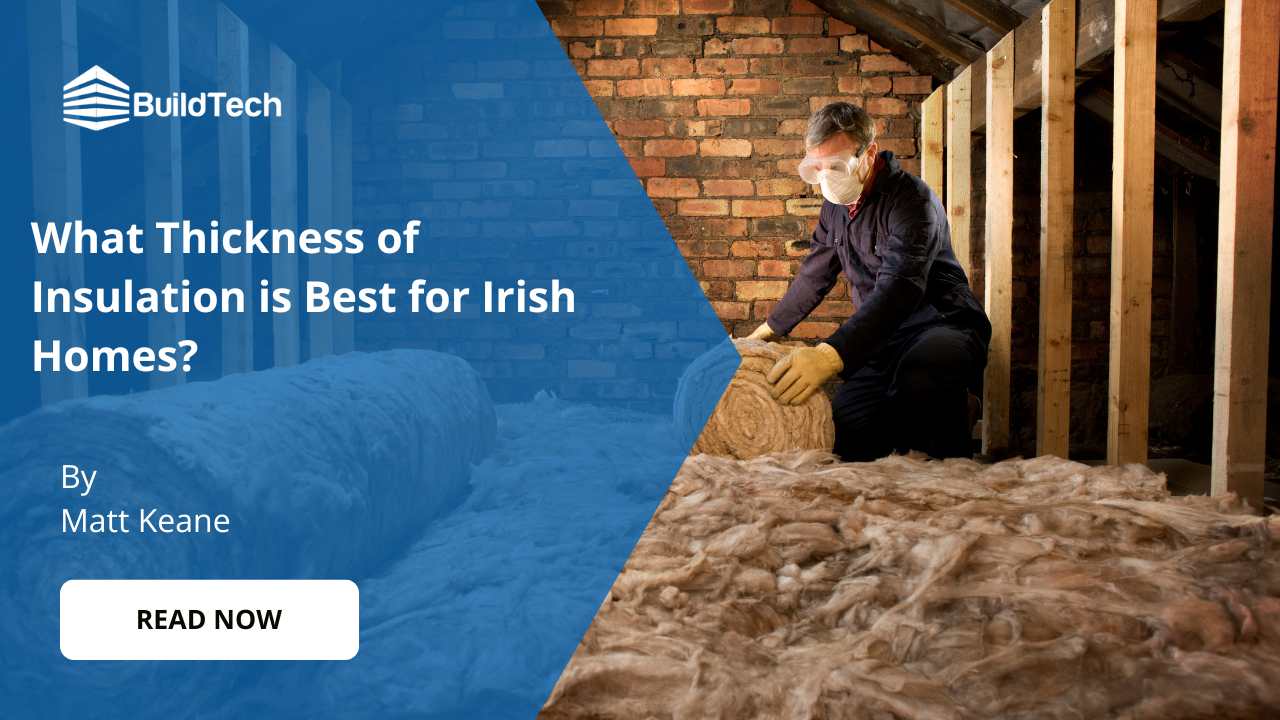
For attic spaces, SEAI generally recommends 300 mm of mineral wool or equivalent. This depth ensures compliance with Irish building standards and helps prevent up to 30% of heat loss through the roof.
If insulation is already present, topping it up to around 300 mm can still improve energy efficiency significantly.
Wall Insulation
Walls are a major source of heat loss in Irish homes. For cavity walls, 60–100 mm of cavity fill is common, while internal or external wall insulation systems typically range from 100–150 mm boards depending on material efficiency.
These thicknesses help homes meet Irish U-value requirements and reduce overall heating demand.
Floor Insulation
Floors can account for about 10% of a home’s heat loss. Insulating ground floors usually involves 100–150 mm of rigid boards such as PIR or EPS, depending on the construction type.
Correct thickness not only improves energy ratings but also makes living areas warmer and more comfortable.
Finding the Right Balance
When considering what thickness of insulation is best in Ireland, it’s important to balance efficiency with practicality. Thicker layers provide better thermal performance, but space, cost, and material choice all play a role.
SEAI-approved assessment is the most reliable way to find the right thickness for your property.
What Affects the Required Thickness of Insulation?
The right insulation thickness isn’t the same for every home. It depends on a mix of building type, chosen material, and practical factors that influence performance and cost.
Type of Insulation Material
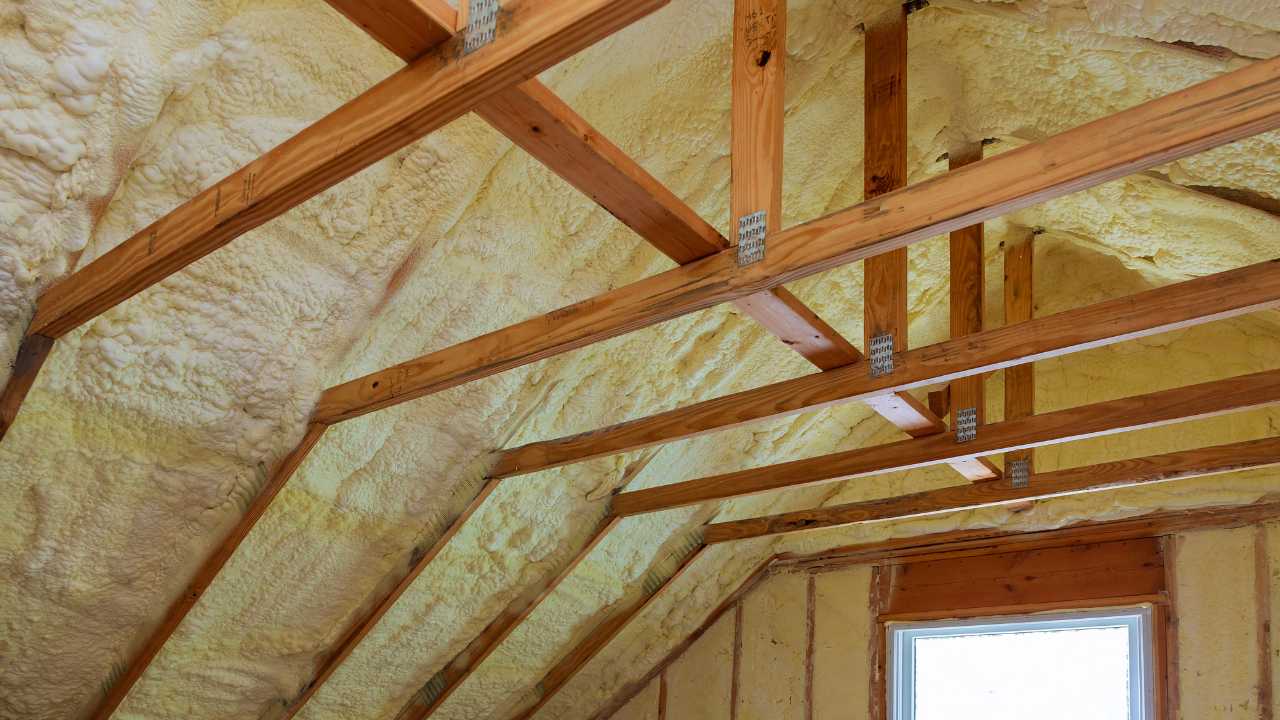
Different insulation products deliver different levels of thermal resistance. For example, rigid PIR boards achieve higher performance at smaller thicknesses compared to mineral wool. This means you may need less of one product to reach the same U-value as another.
Age and Structure of the Building
Older properties often have thinner walls, limited cavity space, or no insulation at all. These factors can restrict how much insulation can be added without major work. Newer homes are built to higher standards, allowing greater flexibility in achieving required depths.
Space and Practical Limitations
In some cases, available space sets the limit on insulation thickness. Lofts with low headroom or floors with restricted build-up may not accommodate thicker layers.
Installers often choose higher-performing materials in such scenarios to balance space with efficiency.
Budget and Cost Considerations
While thicker insulation usually improves energy performance, it also increases installation cost. Homeowners must weigh upfront spending against long-term savings. Grants or incentives can help offset costs and make thicker insulation more affordable.
How to Choose the Best Thickness for Your Home?
Selecting the right insulation thickness involves more than just following general guidelines. Every home is different, so it’s important to assess your property’s needs, budget, and long-term goals.
Assess Existing Insulation Levels
Before adding more, check what insulation you already have in place. Measuring current depths in lofts, walls, or floors helps you decide if a top-up is enough or if a full upgrade is required. This avoids unnecessary spending while improving performance.
Consider Building Regulations in Ireland
Irish Building Regulations set clear U-value targets for walls, roofs, and floors. Meeting these standards ensures your home is energy efficient and legally compliant.
Choosing insulation thickness in line with these rules helps achieve both comfort and compliance.
Balance Performance with Practicality
Sometimes adding thicker insulation isn’t practical due to space, structure, or cost. In such cases, high-performance materials can achieve the same effect at reduced depths.
This allows you to save space while still lowering energy bills effectively.
Get Expert Guidance

Seeking professional advice is the safest option. Certified assessors and installers can evaluate your home, calculate U-values, and recommend tailored solutions. This ensures your investment delivers the best return.
Conclusion
Finding the right insulation thickness depends on where it is installed, the material used, and the unique features of your home. We looked at recommended depths for lofts, walls, and floors in Ireland, the factors that influence insulation performance, and how to balance regulations, cost, and practicality. By considering these points, homeowners can make informed choices that cut energy bills, improve comfort, and meet building standards.
If you’re still asking yourself what thickness of insulation is best?, expert advice can make the decision clearer. Contact BuildTech today to get guidance and professional installation that helps you achieve lasting energy savings.
Frequently Asked Questions
What is the ideal loft insulation depth in Ireland?
In Ireland, for lofts (between and over joists) 270 mm of mineral wool or similar material is generally recommended to meet modern U-value targets. Anything less usually means heat escapes faster and energy bills stay higher.
How thick should wall insulation be for solid masonry or cavity walls?
For cavity walls, around 60-100 mm of insulation fill works well. For solid walls or external insulation systems, you may need 100-150 mm depending on the material used so that the wall becomes energy efficient.
Can too much insulation cause problems?
Yes, over-insulating without proper ventilation can lead to moisture buildup, condensation or damp, potentially harming the building fabric and indoor air quality. It’s important to balance adequate thickness with good airflow.
How does insulation material affect required thickness?
Materials with higher thermal performance (e.g. PIR boards, rigid foam) achieve desired U-values with less thickness than lower-performing ones (like mineral wool). So the material’s R-value is a big factor in deciding how thick your insulation needs to be.
How does BuildTech assess my home to recommend the right insulation thickness?
At BuildTech , we begin with a full inspection of your existing insulation, measure U-values, check for thermal bridges and ventilation. That lets us customise a recommendation for insulation depth that maximises savings and meets regulations without over-insulating.
Will using BuildTech’s materials and installation improve efficiency?
Yes. We use high-performance insulation materials and certified installers to ensure correct installation and full coverage (no gaps or compressed areas). Proper fitting and high-quality products mean you get better performance from the recommended insulation thickness.
